
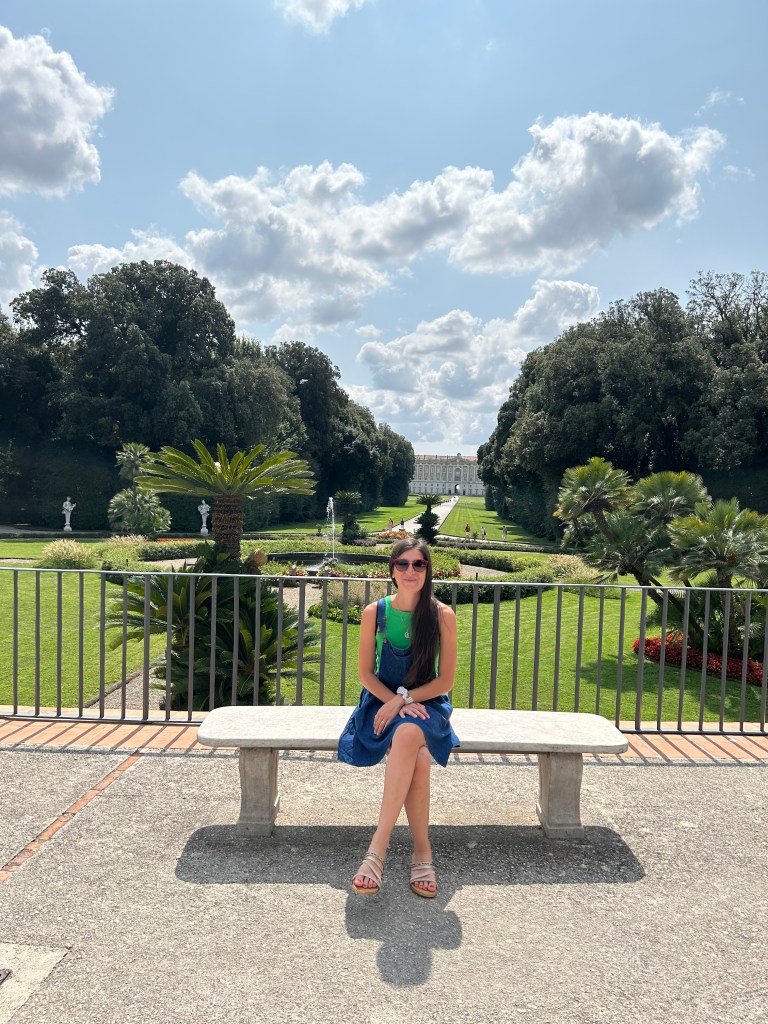
Italy offers an incredible experience for every traveler, boasting a rich tapestry of history, art, architecture, delectable cuisine, and breathtaking natural beauty, from its turquoise coastlines to majestic mountains. This guide provides essential tips, insider knowledge, and the best times to visit to help you plan your perfect Italian getaway.
Important Information for Your Trip:
In case of an emergency, dial 112, Italy’s free emergency number, which will connect you with the appropriate authorities. For immediate medical attention that doesn’t require Accident & Emergency, seek out the local “Guardia Medica,” an out-of-hours emergency medical service. You’ll also find pharmacies open beyond regular hours.
When to Travel?
Italy is a year-round destination, but the best time to visit depends on your preferences below highlights might help you:
- Spring (April-May): Mild weather, fewer tourists, and lower prices make spring an ideal time to explore Italy’s cities, countryside, and coastal towns.
- Summer (June-August): Warm weather (I struggle with the temperature and I am Italian!), beach destinations, and outdoor events like the Opera Festival in Verona make summer a popular time to visit. However, expect larger crowds and higher prices especially in August when most locals take time off from work to celebrate “Ferragosto” on the 15th of August which is a national holiday. In fact big celebrations take place around all Italy with big gatherings, religious procession, live music and fireworks. The festival is also marked as Assumption Day.
- Autumn (September-October): Comfortable temperatures with still some warm temperature but more doable, harvest festivals, and fewer tourists make autumn a great time to explore Italy’s cities, wine regions, coastal sights and countryside. Get ready for chestnut picking, pomegranates and more.
- For those who love winter sports, enchanting Christmas markets, or a romantic escape, Italy in winter (December-February) is an ideal destination. You can explore mountain resorts, vibrant cities, or charming coastal towns. Italy also offers numerous thermal spas for a relaxing retreat and abundant shopping experiences.
Public holidays to consider that can affect opening/closing of attractions, restaurants and shops but also affect fare tickets as demand will be higher:
- 6th of January Epiphany, usually schools are closed from before Christmas till 7th of January. So locals will be on holiday enjoying a feast and gathering with friends and families.
- Easter dates vary, but this is another important public holiday. 40 days before lent there is Carnival which is highly celebrated throughout Italy and a great time to visit.
- 25th of April is Liberation Day
- 1st of May- International Workers’ Day (Festa del lavoro)
- 2nd of June -Republic Day
- 15th of August- Assumption Day
- 1st of November-All Saints’ Day
- 8th of December- Immaculate Concession
- 25th December- Christmas Day
- 26th of December St Steven’s Day
Important to note is local patron saints which can affect business which might be closed as celebration takes place. I highly recommend visiting villages and cities during the patron as it is fascinating to learn about their history and join festivals.
Where to Stay: Embracing Italy’s Unique Stays
Italy offers a charming array of accommodation options, each promising a different slice of la dolce vita. Forget the cookie-cutter hotels; here, unique stays are often the most memorable.
- Hotels (Alberghi): You’ll find everything from luxurious 5-star properties in major cities to quaint, family-run hotels in smaller towns. Standards can vary, but generally, hotels offer classic amenities. Remember that in older buildings, room sizes and modern conveniences might differ from what you’re used to.
- Bed & Breakfasts (B&Bs): In Italy, B&Bs are incredibly popular and often provide a more intimate, local experience. They can range from a few rooms in a private home to stylishly renovated historic buildings. This is a fantastic way to connect with local hosts who can offer insider tips and a warm welcome. Expect a more traditional Italian breakfast (often coffee and a pastry) – a delicious start to your day!
- Farm Stays (Agriturismi): For a truly authentic and immersive experience, especially if you’re exploring the countryside (like Tuscany, Umbria, or Puglia), an Agriturismo is a must-try. These are working farms that offer accommodation, often in beautifully restored farmhouses or outbuildings.
- What to Expect: Many agriturismi produce their own food (wine, olive oil, cheese, vegetables) and often offer delicious, home-cooked meals using their fresh produce. You might find swimming pools, cooking classes, or simply stunning views and a chance to unwind in nature. They vary from rustic and simple to quite luxurious, but always offer a connection to the land and local traditions.
- Perfect for Families: Kids often love the open spaces, farm animals (where available), and the relaxed atmosphere of an agriturismo.
- Apartments/Villas: For longer stays, groups, or families, renting an apartment or a villa (especially in the countryside) can be very cost-effective and offer the flexibility of a kitchen. Websites like Airbnb or local rental agencies are good resources.
A Note on “All-Inclusive” Culture:
One significant difference you’ll notice in Italy compared to some other popular holiday destinations is the general lack of an “all-inclusive” resort culture, especially on the mainland. While you might find a few resort-style options on islands like Sardinia or Sicily, for the most part, Italy encourages you to step out and explore!
This is fantastic news for your taste buds and cultural immersion! Italians believe in experiencing their incredible food and local life by dining at various trattorias, cafes, and gelaterias. The emphasis is on local discovery rather than staying confined to one property for all your meals and entertainment. Embrace this philosophy – it’s how you truly savor the flavors and spirit of Italy!
Food and Drink
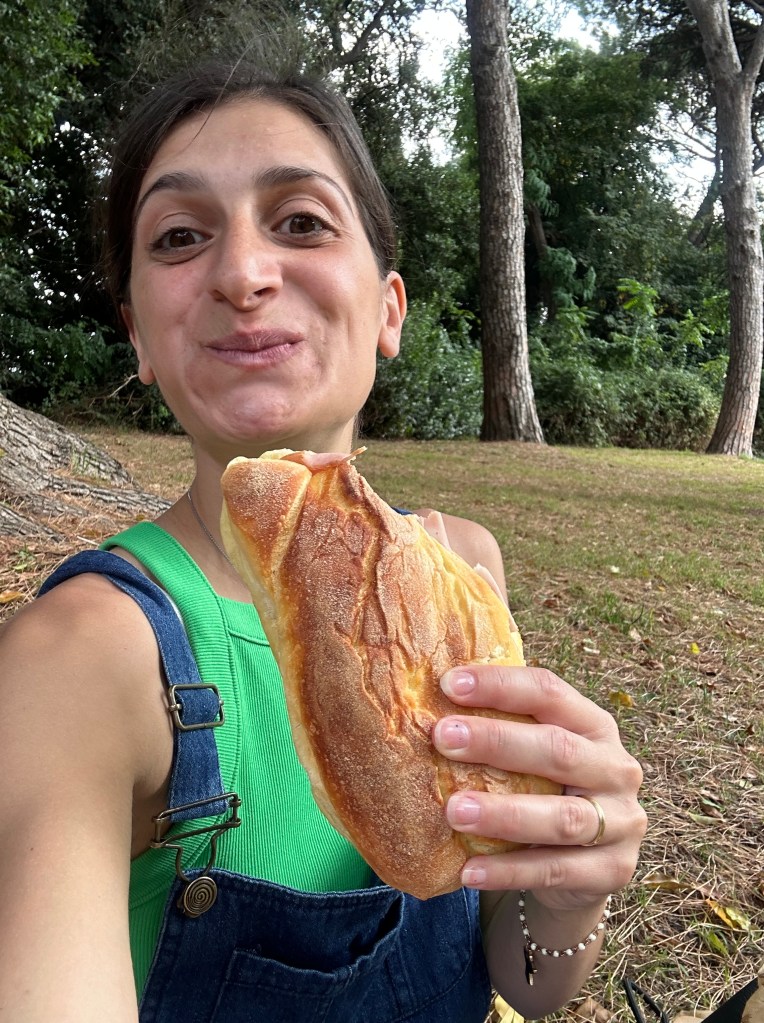
Italians are incredibly passionate about their food, and mealtimes are a cherished and extended affair, often lasting for hours. A typical meal usually begins with a starter, followed by two main courses: a primo (frequently pasta-based) and a secondo (a meat or fish dish).
Italian cuisine is renowned for its pasta, pizza, and gelato, but its culinary diversity extends far beyond these. Each region boasts its own unique local dishes.
You’ll discover an abundance of bakeries in Italy, where the locals have a deep-rooted passion for fresh bread, treating it as an essential food group! Indeed, bread even joins the ranks at the pasta party! And I must highlight the ritual known as “scarpetta,” where bread elegantly plunges into the sauce, this process is as crucial as selecting the perfect pasta shape! In fact if you go to a restaurant in Italy, bread is served at the table for free.
Here’s a guide to typical Italian meal times:
- Breakfast: Served from 7 AM to 11 AM. Remember the rule: no cappuccino after 11 AM. Milky coffee is considered a breakfast drink, while espresso is king. To order an espresso, simply ask for a “caffè.” If you’d like a latte, request a “caffè latte.”
- Lunch: Typically served from 12:30 PM to 2:30 PM.
- Aperitif: Not to be missed, from 6 PM until dinnertime. This is a lovely Italian tradition involving a pre-dinner drink often accompanied by complimentary snacks.
- Dinner: Usually served from 7:30 PM to 11 PM. Don’t be surprised to see families having dinner at 10 PM; it’s quite normal. In fact, if you mentioned that kids go to bed at 7:30 PM, they might find it amusing.
Business opening time:
You will find some shops/offices close between 1pm and 3/4pm as well as Sundays as it is rest day with the family. Usual opening times vary between 8/9am. Don’t be surprised if local shops don’t have an opening time displayed.
Transportation
Italy’s mainland cities have an efficient public transportation system, including trains, buses, and metro lines. Consider purchasing a rail pass (more details below). You might need to validate your ticket if you bought a physical ticket so always double check to avoid penalty fees. Islands like Sardinia and Sicily public transportation is less efficient and renting a car is highly recommended for more flexibility.
- Motorway Tolls: Be aware that Italy’s main motorways (autostrade, marked with green signs) are toll roads. You’ll typically collect a ticket upon entering and pay based on distance when you exit (cash or card accepted, avoid the “Telepass” lanes unless you have a specific device from your rental car). These are the fastest routes, ideal for covering ground quickly.
- Scenic (Free) Alternatives: Don’t want to pay tolls? You can often take “Strade Statali” (state roads) or “Strade Provinciali” (provincial roads), often marked with blue signs. These are generally toll-free and offer a much more scenic driving experience, winding through villages, vineyards, and less-traveled landscapes. They are slower and may involve more twists, turns, and local traffic, but the views often make them worthwhile! Factor in extra travel time if you choose these routes.
- ZTLs (Limited Traffic Zones): A crucial note for drivers! Many Italian city centers have “Zona a Traffico Limitato” (ZTL) areas. These are restricted zones, often monitored by cameras, where only authorized vehicles (like residents’ cars) can enter at certain times. Driving into a ZTL without permission will result in a hefty fine. Always check for ZTL signs before entering a city center – often it’s best to park outside and walk or use public transport.
TRAIN PASS TO EXPLORE ITALY:
Trenitalia offers various pass options for exploring Italy by train, including the Trenitalia Pass for high-speed and Intercity trains, and the Italia in Tour pass for regional trains. The Trenitalia Pass provides flexibility for travel within a set number of days and trips, while the Italia in Tour pass offers unlimited travel on regional trains for a fixed number of consecutive days.
Trenitalia Pass:
- What it is: A pass for foreign citizens to explore Italy by train, valid on Frecce high-speed trains, Intercity, Eurocity, and Italian domestic routes.
Italia in Tour:
- What it is: A pass for unlimited travel on Trenitalia regionale and TPER (Emilia Romagna) trains.
Other options:
- Eurail Italy Pass: While not a Trenitalia product, the Eurail Italy Pass is another option for exploring Italy by train, including high-speed and regional trains.
- Interrail: Offers options for traveling across Europe, including Italy.
Example: The “Italia in Tour 3” pass allows unlimited travel on regional trains for 3 consecutive days for €35, according to Trenitalia.
Traveling with Little Ones: Italy is Made for Families!
Good news, parents! Italy is, without a doubt, one of the most wonderfully child-friendly countries you could visit. Italians absolutely adore children, and you’ll often find your little ones are the stars of the show, warmly welcomed wherever you go.
However, while the culture is incredibly accommodating, here are a few practical notes for families:
- Dining Out with Toddlers: While many restaurants are happy to accommodate families, don’t be surprised if highchairs aren’t always readily available, especially in smaller, traditional trattorias. Italians often hold younger children on their laps or push tables together to make space. It’s part of the authentic experience!
- Sweet Gestures: Prepare for a delightful cultural quirk: don’t be surprised if locals (from waiters to strangers on the street) offer your child a piece of candy, a biscuit, or a small treat as a kind gesture. It’s usually well-intentioned and a sign of their affection for children. A simple “Grazie!” (thank you!) is usually the best response.
- Cobblestones and Charm: Italy’s beautiful historic centers are famous for their charming, often uneven, cobblestone streets. Many areas also have limited or non-existent footpaths.
- Stroller Savvy: This means that navigating with a standard stroller or “buggy” can be quite an adventure (and not always the smoothest one!). For babies, we highly recommend opting for a baby carrier for maximum flexibility and comfort. If a stroller is essential, choose a sturdy, robust model designed to handle varied terrain. A lightweight umbrella stroller might struggle!
Embrace the warmth of Italian hospitality, and with a little planning for getting around and dining, you’ll find Italy an incredibly rewarding destination for the whole family.
Important Tips:
1. Language: While many Italians in the north speak some English, less frequently in the south it’s helpful to learn basic Italian phrases like:
“grazie” (thank you)
“per favore” (please)
“dove posso trovare…” (where can I find…)
“can I have” (posso avere)
“ciao or salve)” (it’s a way of greeting)
“quanto costa” (how much is it).
2. Currency: The Euro is the official currency in Italy. Credit cards are widely accepted, but cash on hand is always preferred. Especially if you want to buy from locals. You can exchange currency at local postal offices if needed.
3. Safety: Italy is generally a safe country, but petty theft and pickpocketing can occur in tourist areas. Be mindful of your belongings and keep valuables secure.
4. Respect Local Customs: Italy is a Catholic country, and many churches and historical sites have dress code like cover shoulders and knees.
5. Tipping: Tipping in Italy is not expected, but it’s still appreciated for good service. Aim for 1-2 Euros per drink or 5-10% in restaurants.
Insider Knowledge
1. Avoid Tourist Traps: Steer away from overpriced restaurants and shops in tourist areas. Instead, opt for local eateries and authentic markets. When looking for authentic food choose to eat at “Trattoria”, “Osteria” or “Agriturismo” (farmhouses).
2. Explore Hidden Gems: Consider visiting lesser-known destinations like Puglia, Sardinia, or the Italian Lakes for a more off-the-beaten-path experience.
3. Book Ahead: Popular attractions and restaurants can get crowded quickly. Book tickets and reservations in advance to avoid disappointment.For inspiration on experiences and tickets for attractions you can look at VIATOR.
4. Learn About Local Festivals: Italy is famous for its festivals and events. Research local celebrations and plan your clients’ itinerary accordingly.
By following these tips and insider knowledge, you’ll be well on your way to creating unforgettable Italian adventures. If you want to start planning your next trip to Italy, contact me at Jessica Lisci.
If you are interested in accessible travel in Italy require a guide at Jessica Lisci
 NOT IN THE BUCKET LIST